 (£)
(£)
 (NOK)
(NOK)  (DKK)
(DKK)  (SEK)
(SEK)  (€)
(€) 

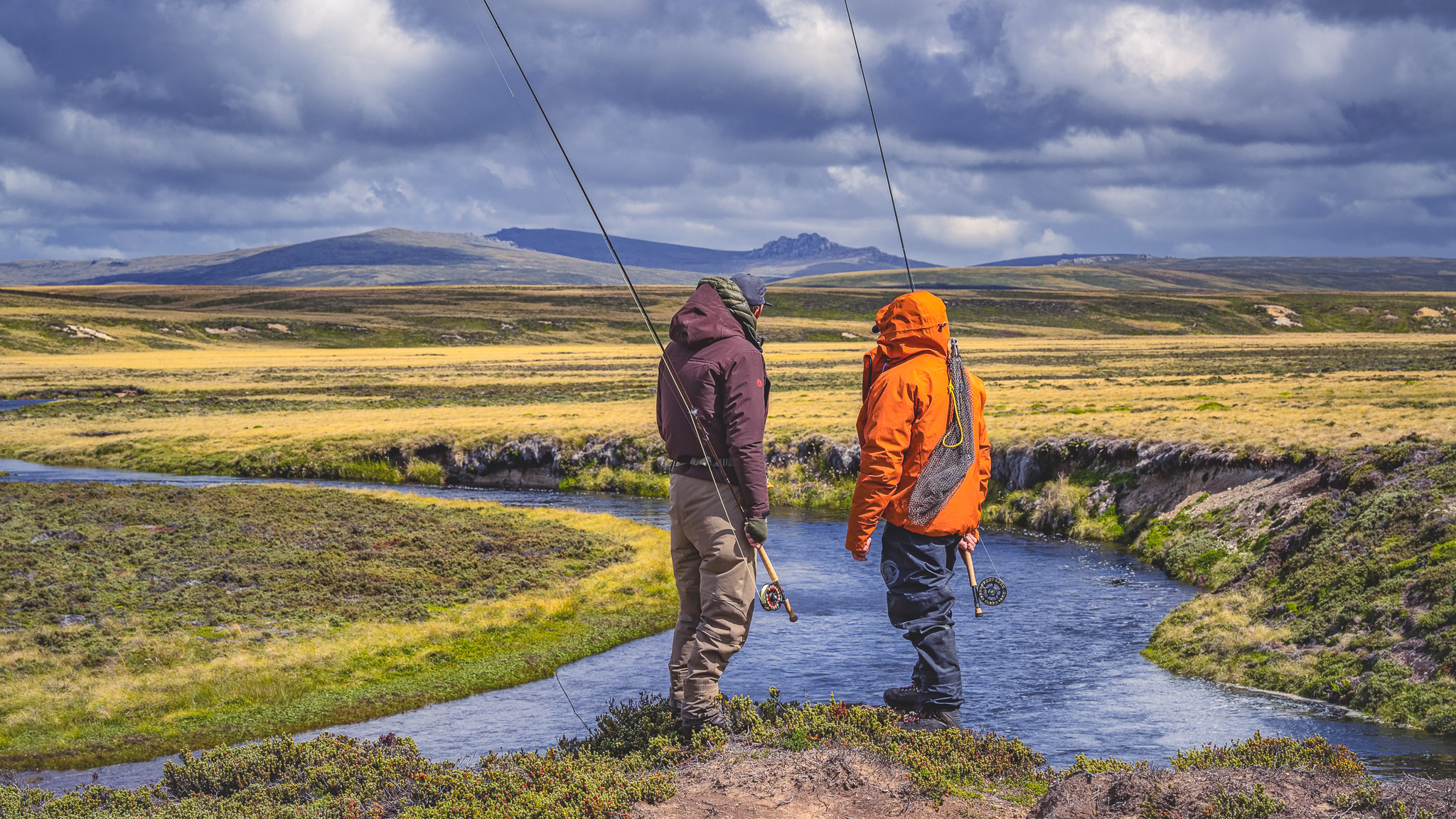
From wild tidal waters to rugged inland rivers, this is the story of chasing pristine sea trout across the Falklands’ raw and captivating terrain.
Fishing trips don’t really get more exciting than visiting remote places to discover pristine new waters. And in my book the more off the beaten track they are the better. In late January of this year photographer Euan Myles and I were lucky enough to make it out to the Falkland Islands to chase sea trout. It was an epic adventure, in so many ways, and we caught a lot of fish. So if connecting with large numbers of stunning migratory trout in an incredibly remote part of the world appeals, then read on.
At the Edge of the World
There is so much to say about the Falkland Islands. For many of a certain age, particularly those of us who grew up in Thatcher’s Britain, it is forever etched into our collective psyche by the brief but brutal two-month war of 1982. This dark period in the Falklands’ history undoubtedly clouds many people’s pre-conceptions of these distant islands, but also serves to highlight the stark contrast between how we may imagine a place to be and how it actually is.
Euan and I had read about, thought about and dreamed of this place for years, and here we finally were, in an unspoilt wilderness with largely untapped, amazing fishing to go at.
The Falklands lie 400 miles off the south-eastern tip of South America. The two main islands, East and West, combined with many smaller outlying islands, have a land mass of some 4,700 square miles. To give a sense of scale, that’s about half the size of Wales but with a total population of around 3,500, a large percentage of whom live in the capital, Stanley.
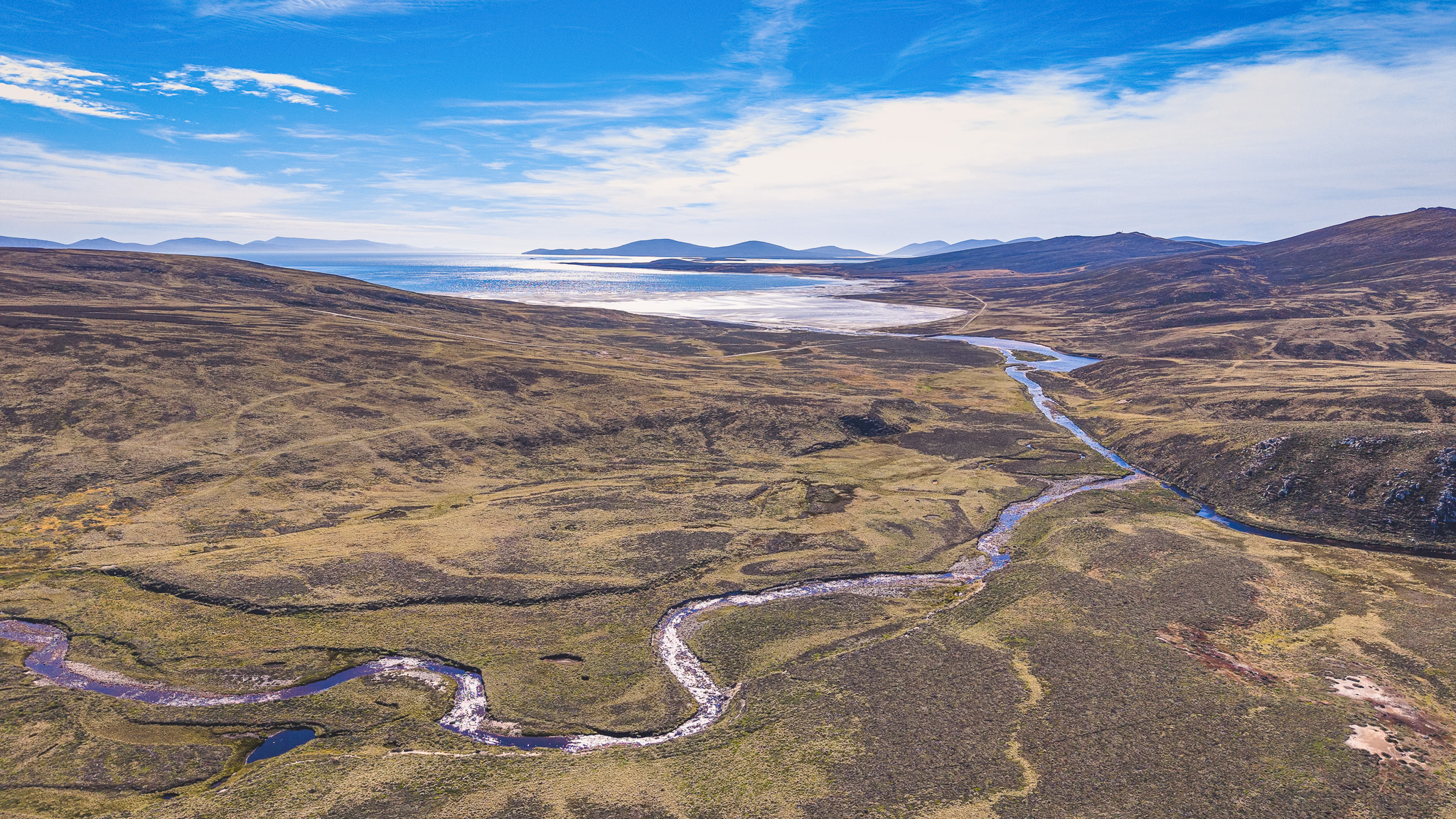
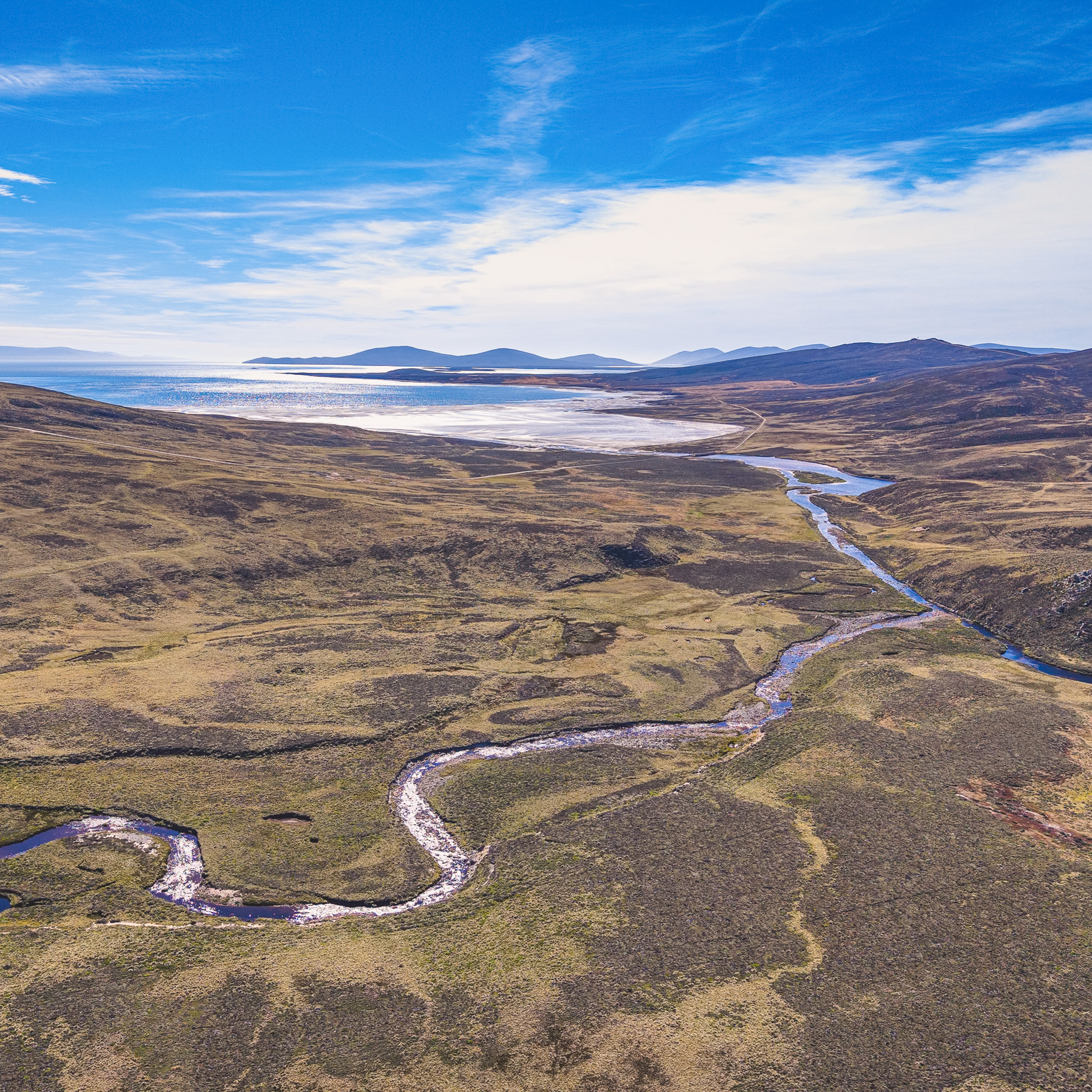
The Vast Wilderness of the West Falklands
On the West mainland, where we began our fishing odyssey, there are only 200 or so people, and hundreds of thousands of sheep.
It feels vast, it is vast, and looks remarkably like large parts of Scotland. Imagine the Shetland Isles or Lewis, parts of Caithness or Jura in the South Atlantic Ocean. Scenically it is uncannily similar: hard rock and hill; peat bog; big skies, and mile upon mile of uninterrupted views. The flora and fauna obviously varies, sheep’s sorrel and white grass instead of heather and bog myrtle, and the abundant red berries of the diddle-dee shrub in place of rowan.
There’s an equally dizzying array of bird life as you’d find on the likes of Orkney or the Western Isles, but here there are upland geese, turkey vultures, intriguingly coloured hawks, flightless steamer ducks, giant petrols and the fantastically named dark-faced ground tyrant. Watch out too for flashes of the meadow lark’s astonishingly vivid red breasts.
Oh, and of course sea trout – lots of sea trout. Trout were introduced to some of the rivers here in the late 1940s and early 1950s, migrating to the salt and thriving on the rich feeding to be had in the tidal waters and estuaries. By the mid 1950s sea trout were being caught, a 12 pounder having been recorded by 1957, and in the following decades they spread and became established all round the islands.
Westbound: Roads, Remoteness and the Guide Who Lives It
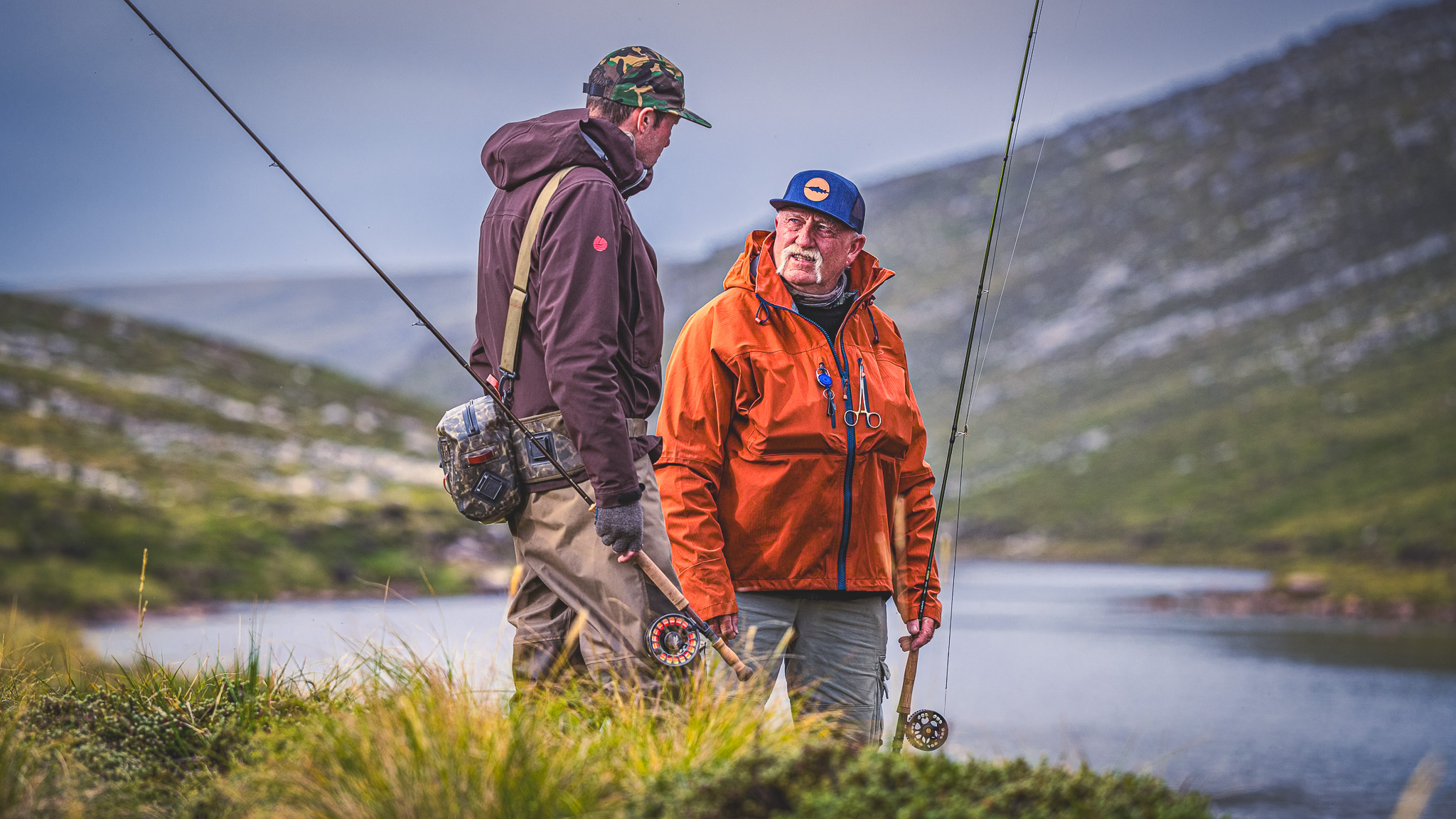
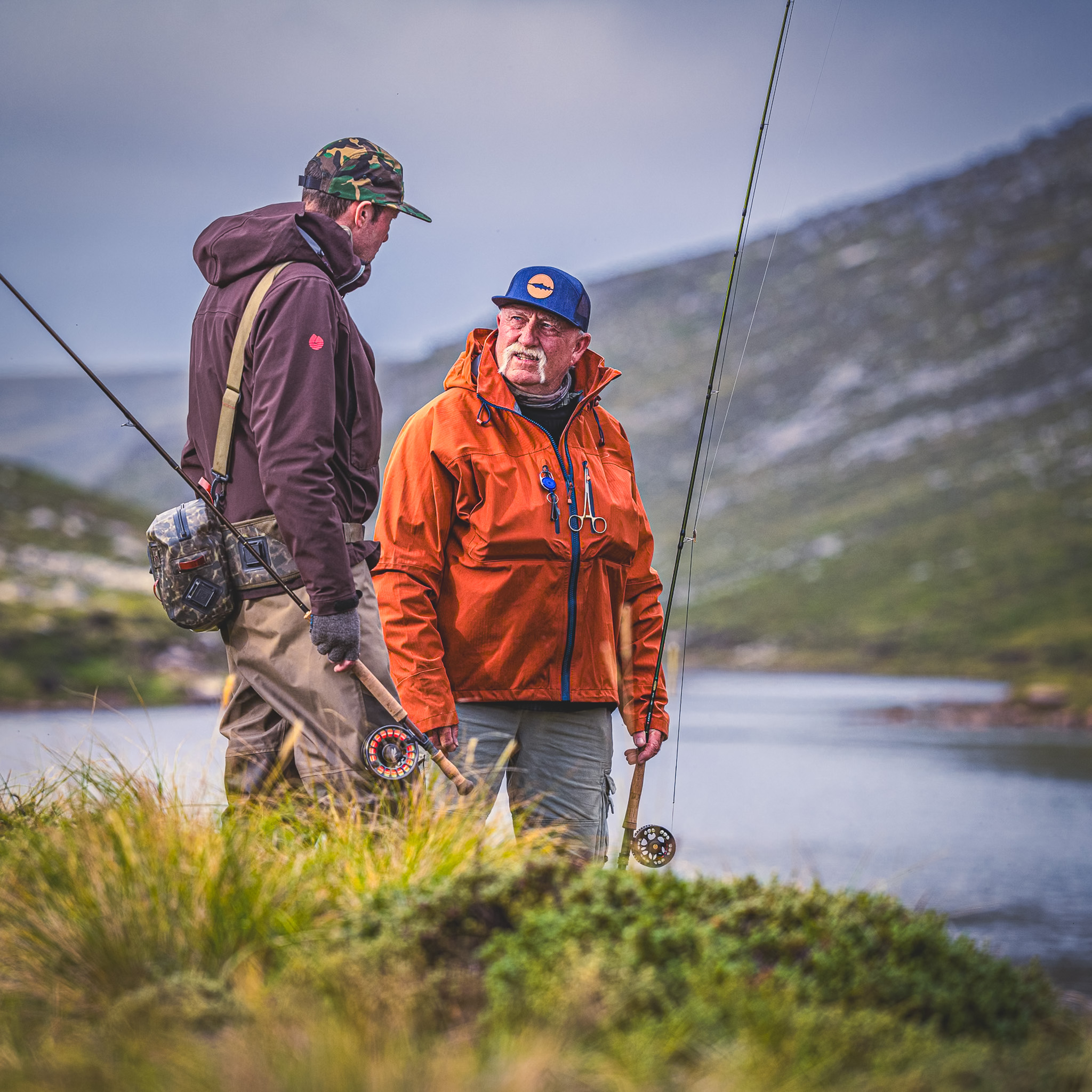
They say west is best on the Falklands and we really couldn’t wait to get out there. For this we were in the very capable hands of Nick Bonner, a well respected Falklands guide.
They don’t make them like Nick so much these days, more’s the pity. An absolute gem of a guy, he was born on the Falklands, left school at 14 and began his working life as a shepherd out west, living alone a three-hour ride on horseback over the hills from the main settlement of Port Howard. There were no roads back then. Suffice to say he knows these parts rather well, is a mine of information on the Falklands and its people and has endless stories to tell. He also knows where the fish are.
Now there are roads, on east and west, but many aren’t tarmacked. 4x4s are preferable and indeed necessary to get to some of the more remote fishing spots. So don’t expect to go anywhere fast. An altogether more relaxed way of life is required out here.
It took us two and a half days to get from Scotland to Stanley. It takes a fair chunk out of another day to get from there to West Falkland, via a two-hour drive to the ferry which takes almost two hours to cross from New Haven to Port Howard. This was to be base camp for the first week.
Byron Sound and Beyond: Reaching the First Sea-Trout Waters
First call was further west still, another one-and-a-half hour drive to Byron Sound, where the Blackburn River enters the sea. The road out to here is pretty mind blowing. Bleak, desolate and beautiful in equal measure, 40 plus miles of open land, hills and sky. There are sheep everywhere, the occasional remote farm settlement, but otherwise nothing. Then you near the other side of the island, the road inclines and then all of a sudden, there below lies Hill Cove. It appeared to us for the first time in brilliant sunshine, like an impossible idyll after all the starkness inland. A farm settlement with a tractor busy in the field, sumptuous sheltered bays beyond, a soft sea ripple shimmering in the light. It looked sensational.
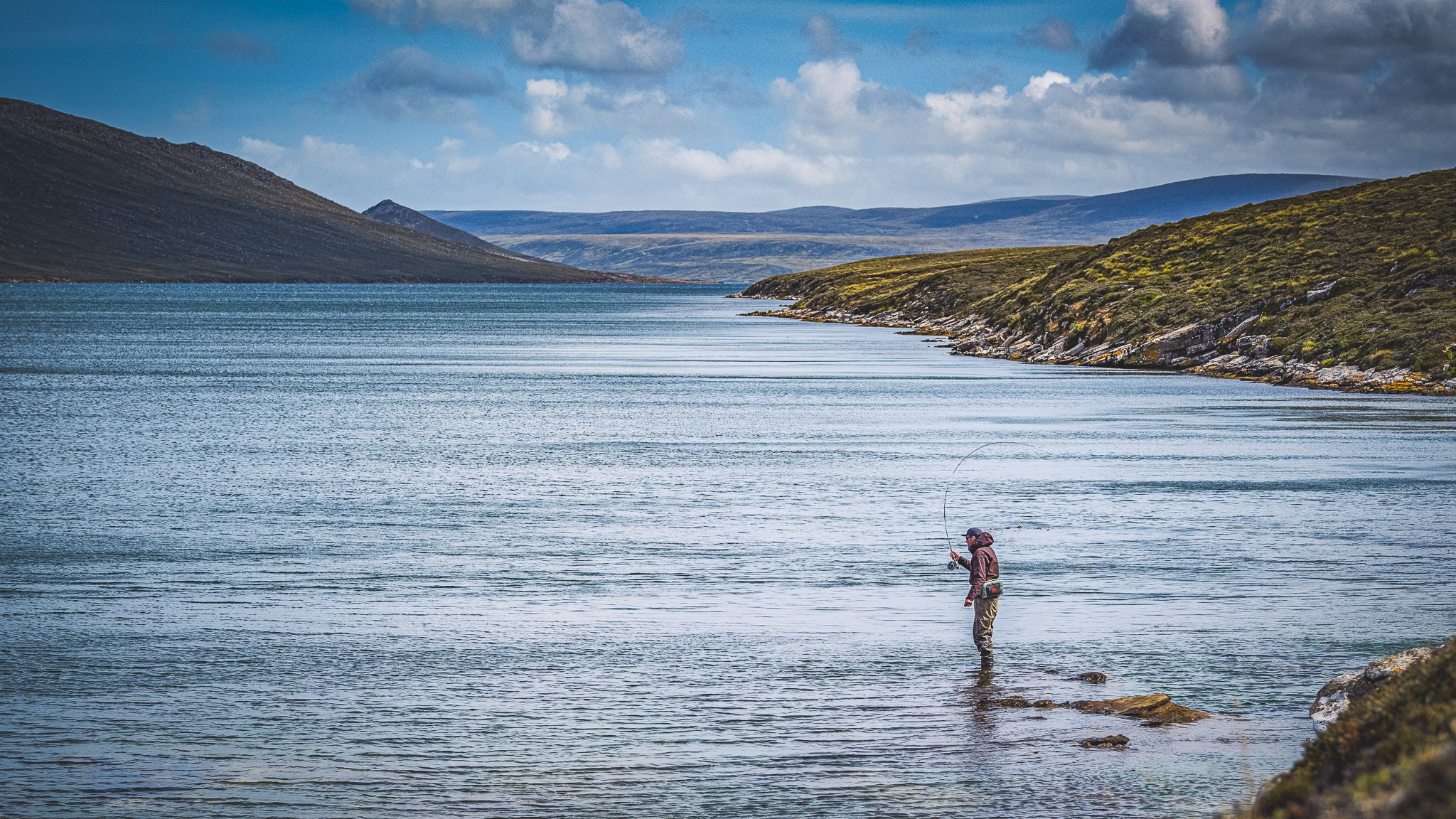
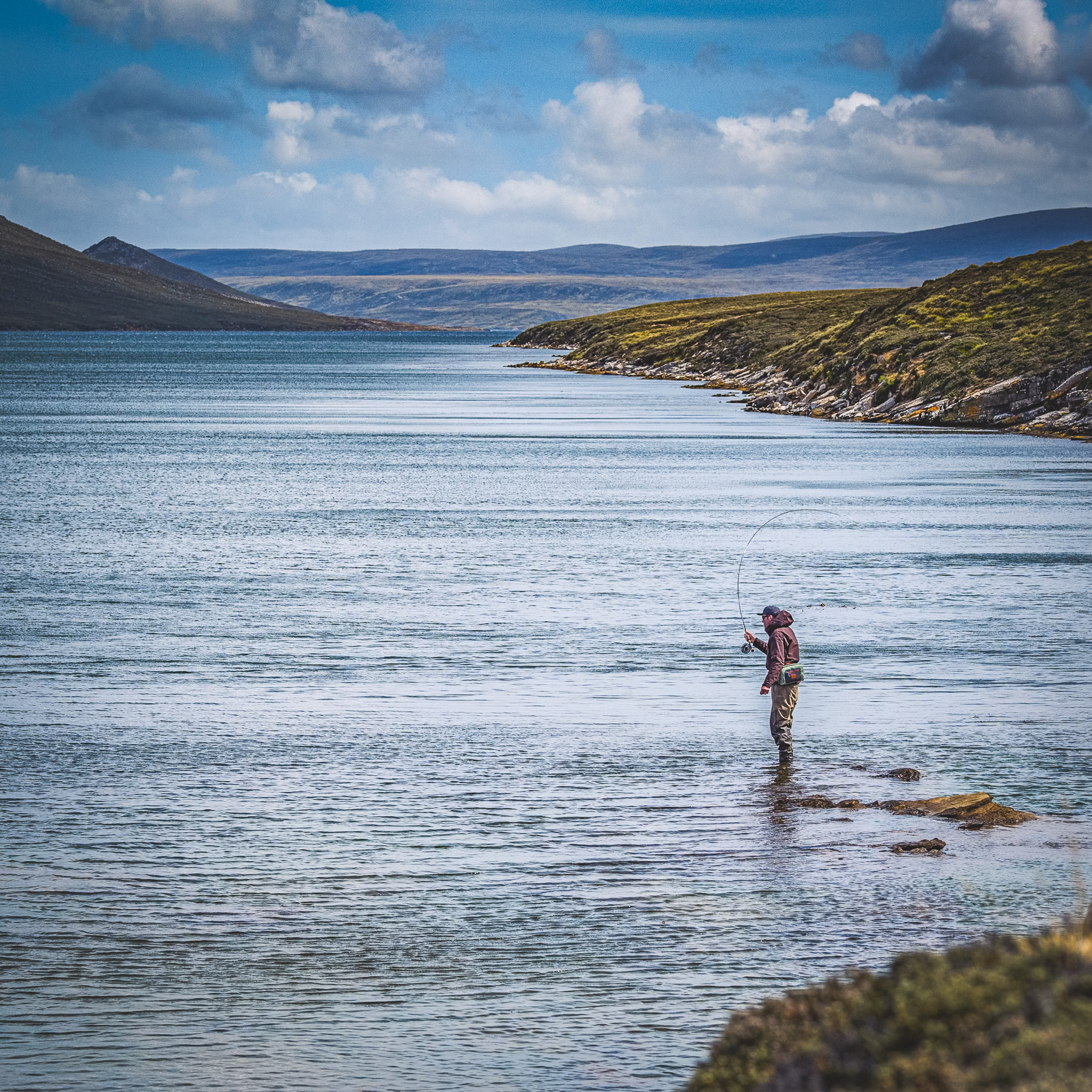
And finally, finally, just a little further round from here is the Sound. This is where we began. As with many of the rivers and streams here culverts have been put in where roads have crossed them. At high tide the sea water will rush in through the culverts, backing up the river. At the Sound, on the inland side of the culverts, there are channels and areas of sufficient depth where incoming sea trout feel comfortable enough to hang around. In particular there’s a perfect channel off the island here that opens out into a large bay and considerable numbers of fish can be caught all around this area.
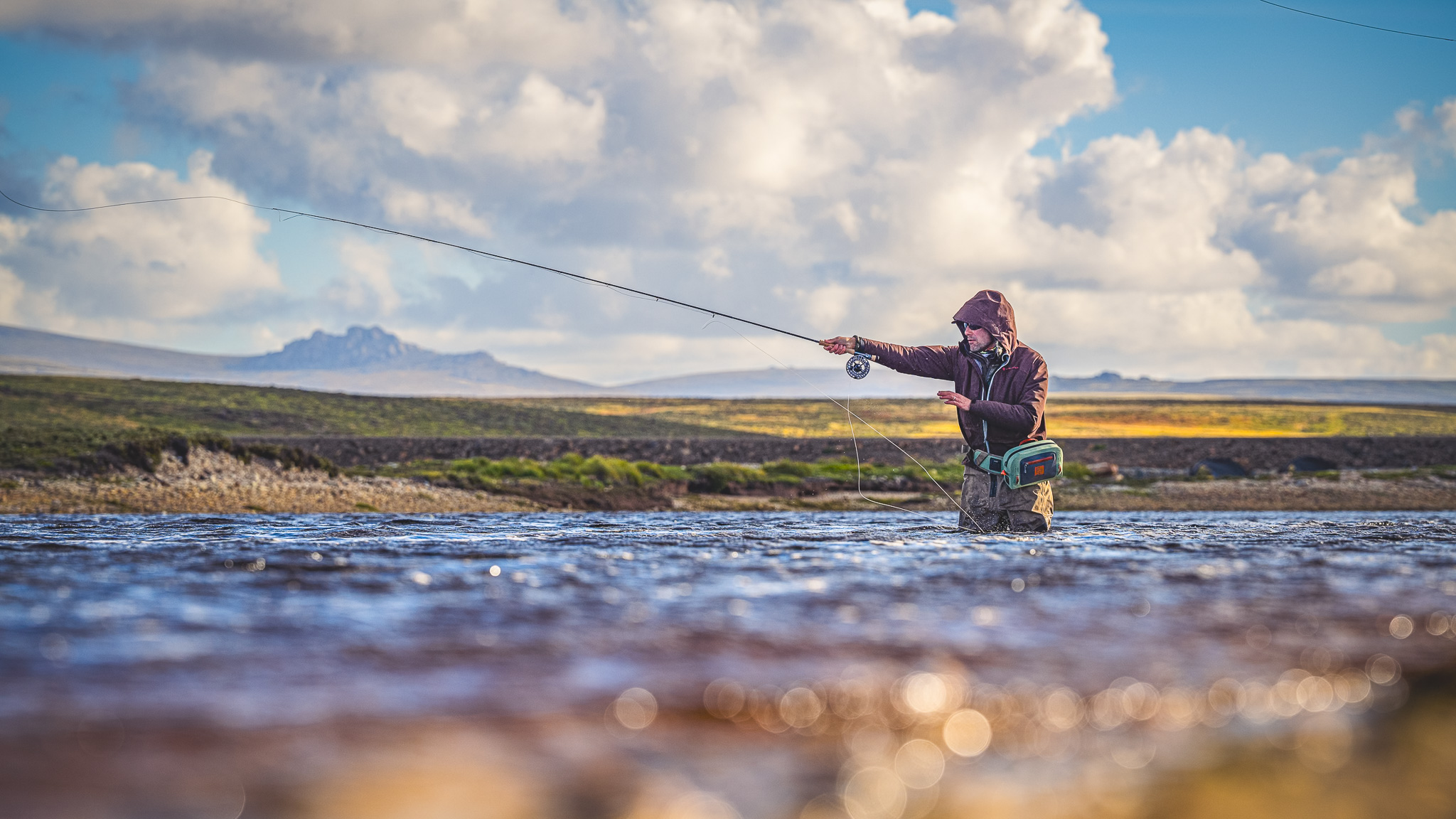
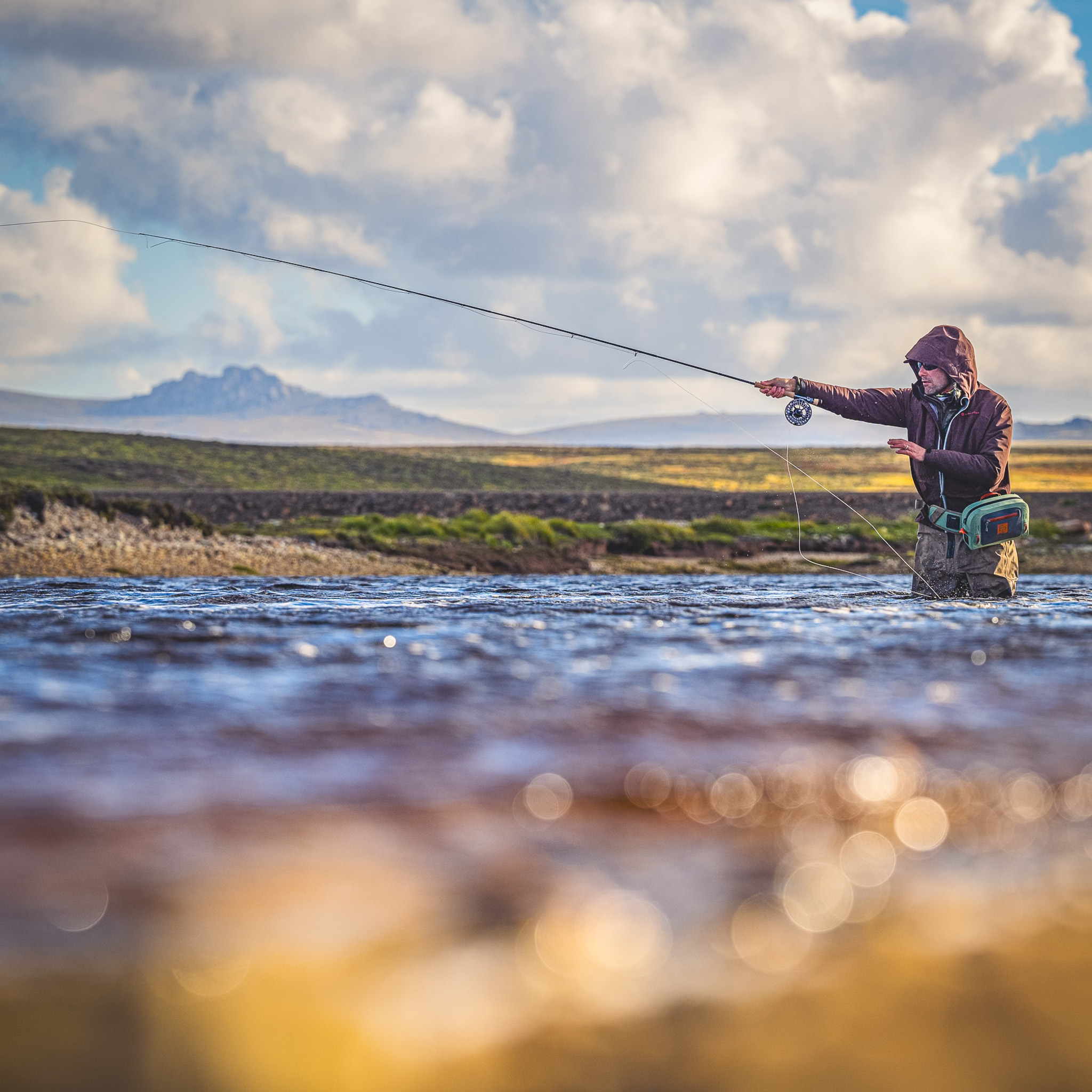
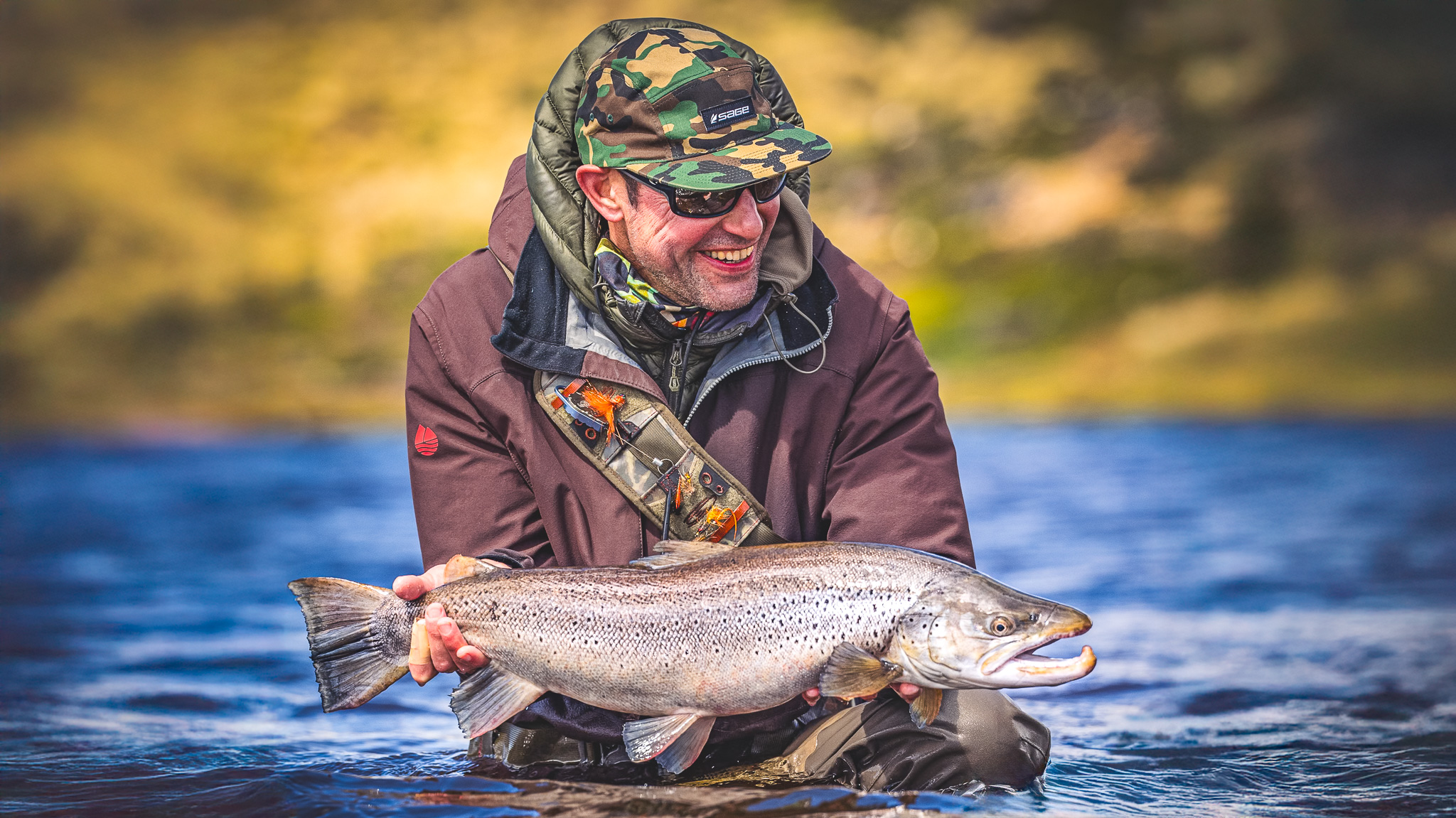
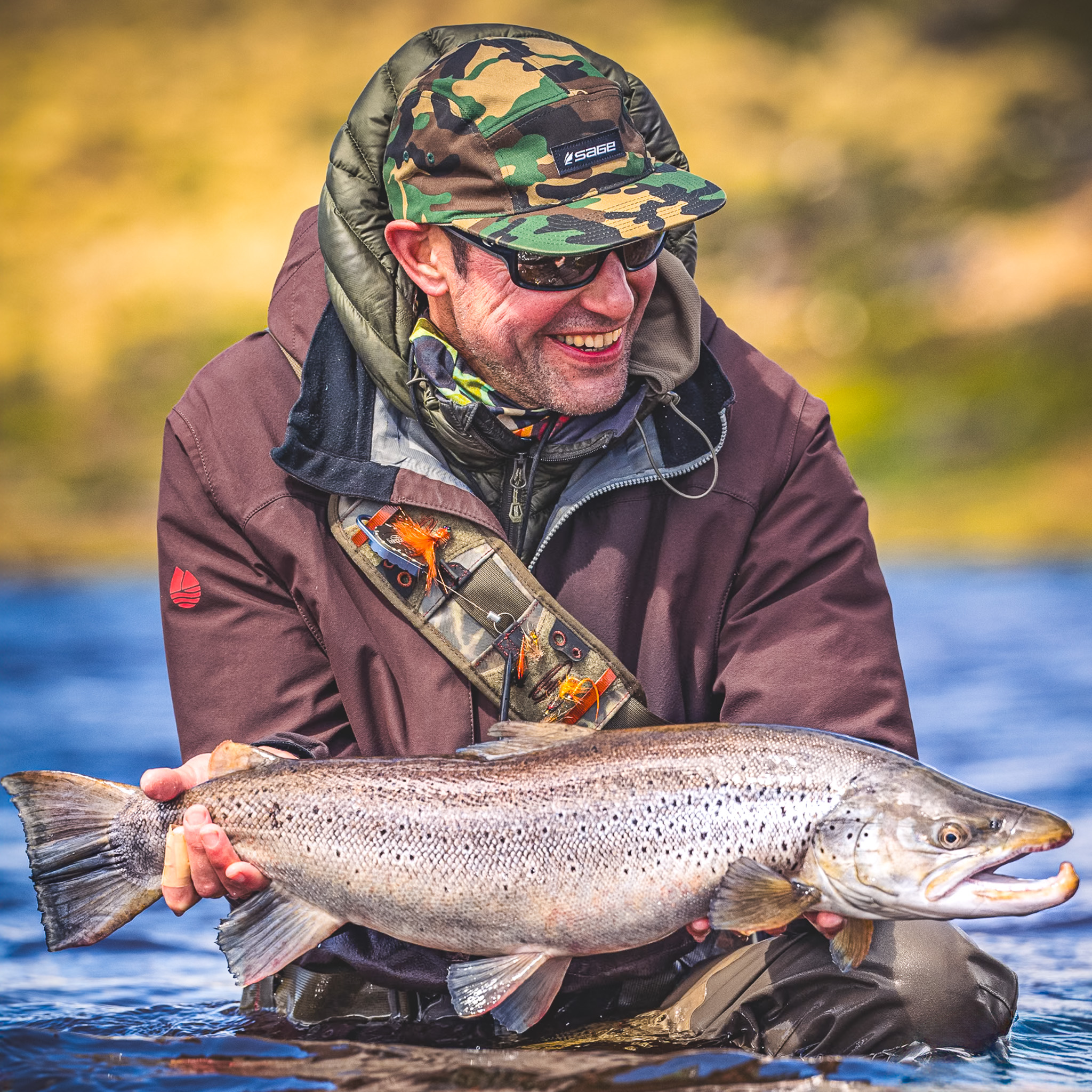
Euan started nailing sea trout almost immediately, wading a good way out into the bay and stripping back a suitably fishy looking brown-tailed lure. They were bright and feisty, hard-fighting 3 to 4 pounders and immediately allayed our fears of being there slightly early. We were still in January, with prime time deemed to be February into March. But we’d timed our trip to coincide with phases of the moon and a couple of big tides. By the time we finished that first short session we’d comfortably got into double figures and I’d managed an absolute pearler of a 6lb hen fish after fishing slightly deeper. She was straight in from the sea with that magical translucent sheen and it’s hard to imagine a more stunning looking fish.
Rivers Out West: Exploring the Falklands’ Wild Spate Streams
The next day Nick took us to the River Warrah, another hot spot. This involved a mightily impressive off road performance in his Hilux to get to where the Warrah joins the sea. We were in a dry spell though and there was nothing doing in the lower tidal stretch of the river. There had been rain half a week earlier so we tried one of the holding pools further upstream. Euan fished upstream through it first and pricked or turned a surprising number of fish, though none stuck. We also saw a seriously hefty fish show, but only small, very pretty river trout came to hand.
On a subsequent visit to the Warrah Euan got a 5 pounder and lost another decent fish, I had a couple of smaller sea trout and we both had countless trout. It’s a stunning river, like a classic Scottish spate stream, and to fish it when there’s water and double figure sea trout appearing off the tide must be a wonder to behold.
We also checked out Many Branches, closer to Port Howard, and the lower stretches of the Marlowe River down in the south where we caught countless smelt, no doubt a rich source of protein for all those fat sea trout. Nick managed to winkle a sea trout from the estuary and we visited the even more remote settlements of Fox Bay West (population 2) and Fox Bay West.
Back to The Sound: A Red‑Letter Day on the Water
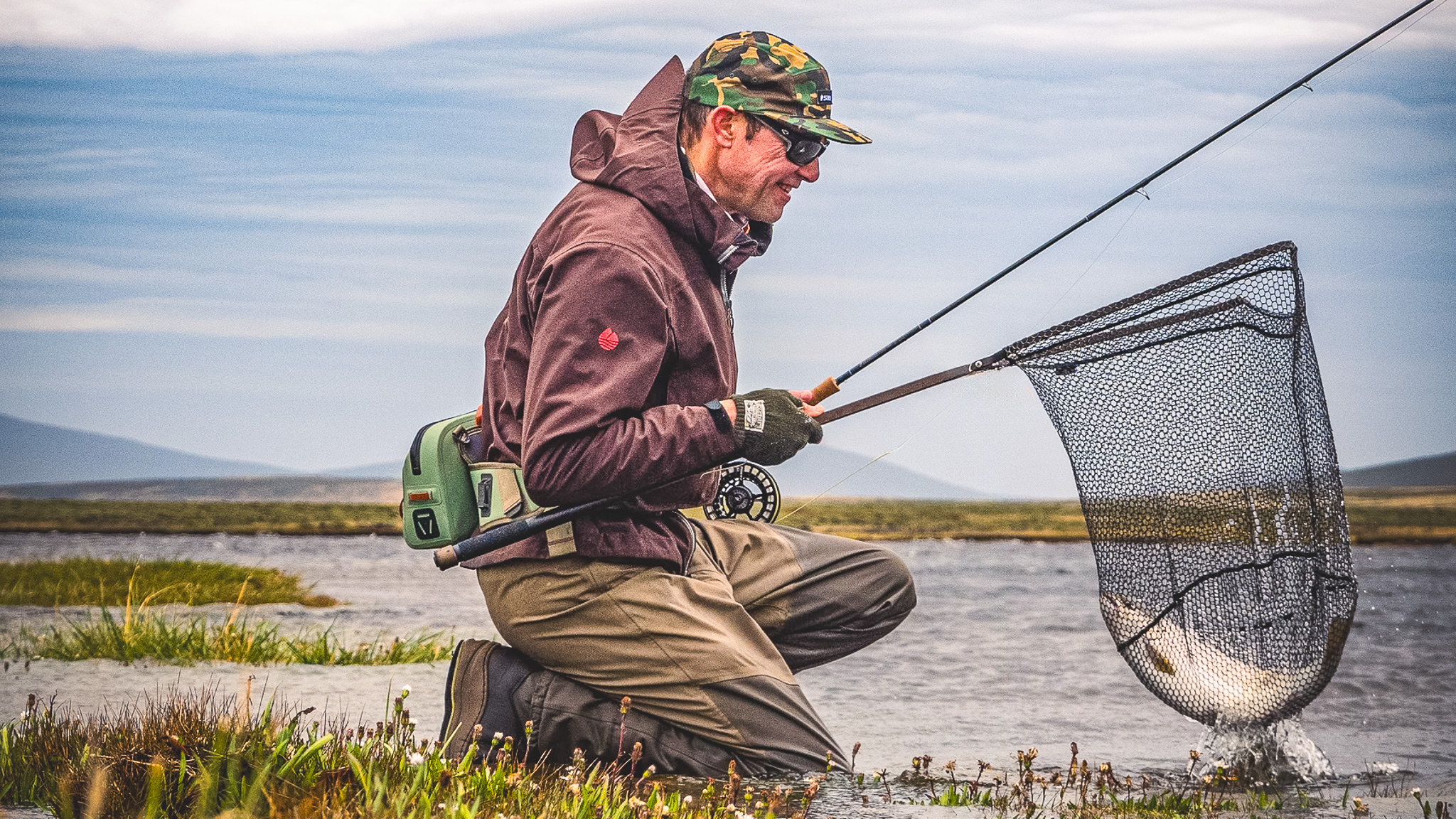
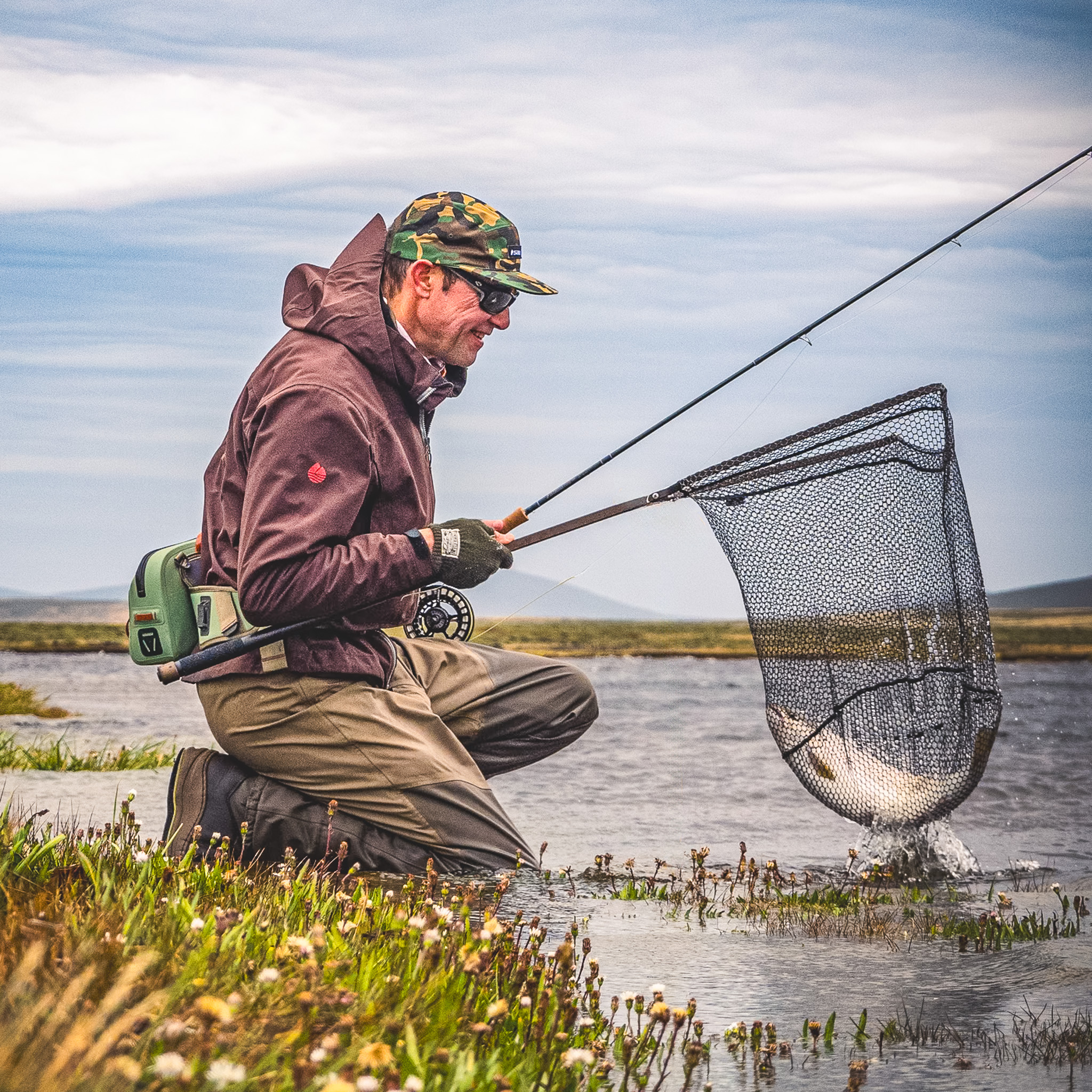
Our second day at the Sound proved a real red letter day, despite a blazing sun. We lost count of the number of fish we caught between us but it was certainly around 40, including a cracking 8½ pounder each for Euan and Nick, with a couple of big fish lost between us too. At one point I seemed to be catching a fine stamp of fish with every cast, a small, quite drab Foxton Shrimp seemingly irresistible. The more it got chewed up the better it seemed to work, though really it was probably just good conditions, numbers of fish present and the approaching low ebb of the tide that were the key factors.
And so the week progressed. The next day the sun was unrelenting, it reached 22°C but felt hotter. We still caught fish in the morning but they were hard earned and by afternoon it had gone doggo. The day after that saw a pressure and temperature drop, down to 9°C. A big tide and a strong wind brought an amazing stamp of fish on the take again and Euan lost a serious fish, certainly into double figures, that tore him to shreds.
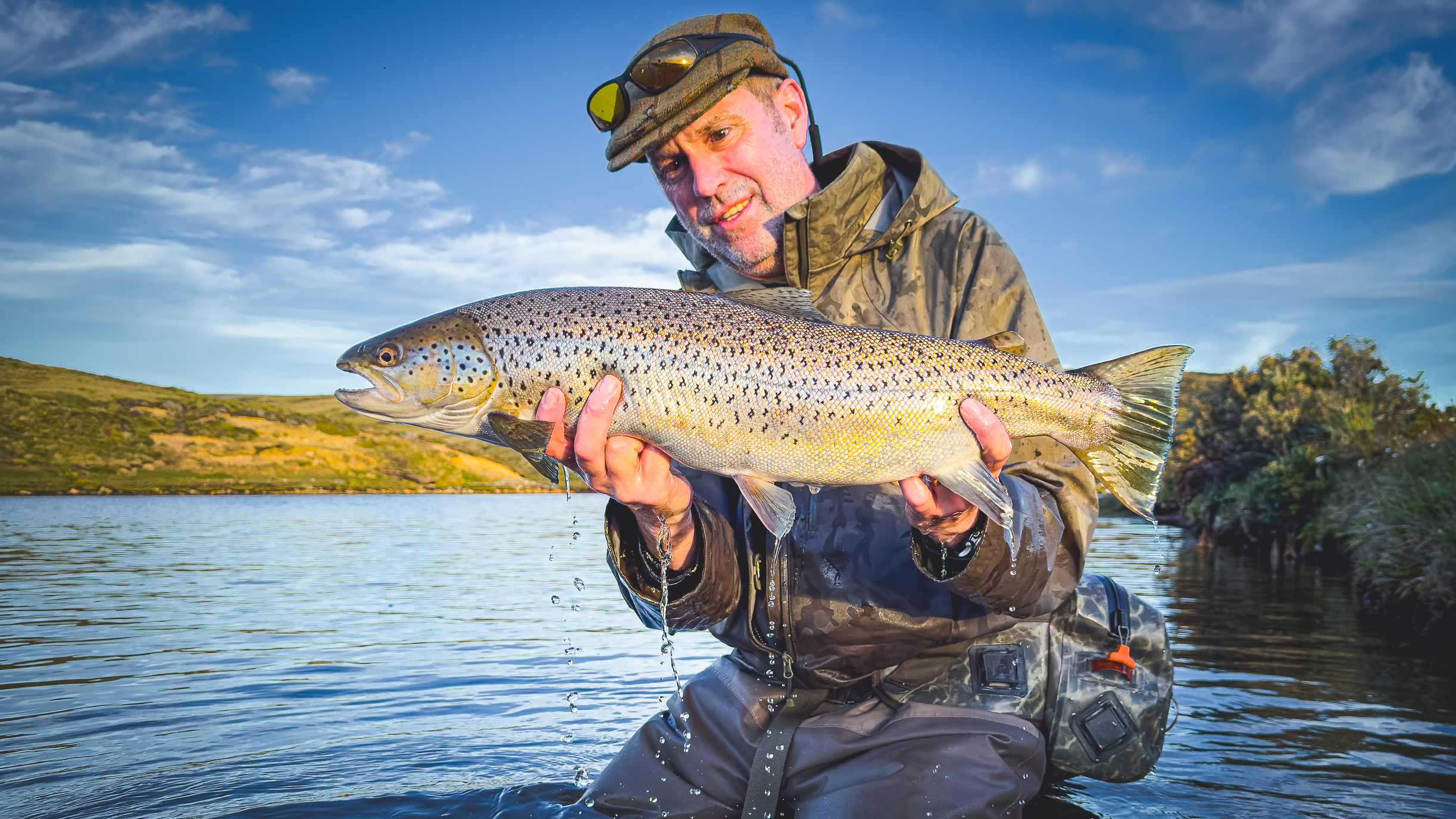
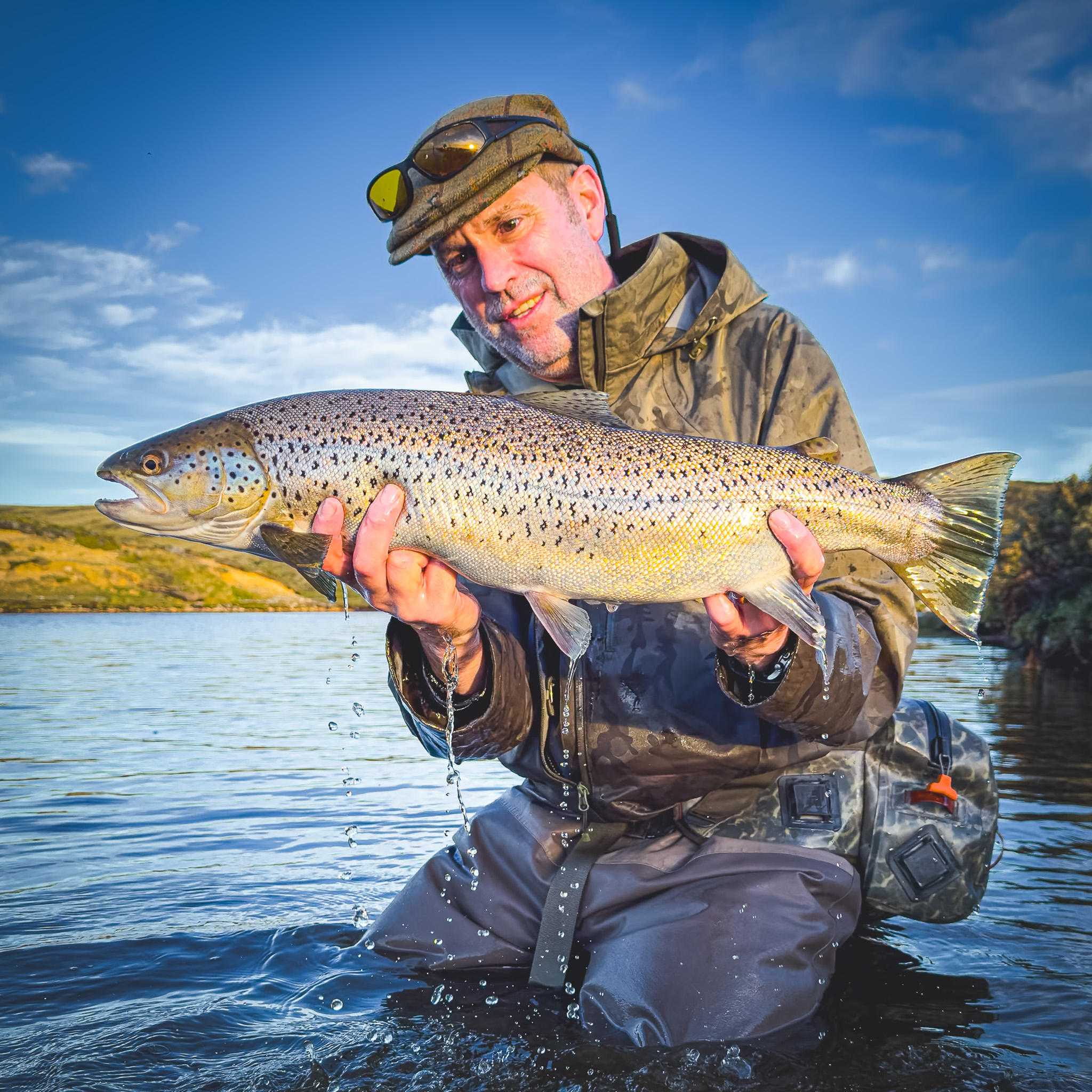
Our week out west ended up being extended to nine days as the ferry was cancelled. This was no hardship. In those extra two days we saw a lot more action, including my best of the trip — a very angry and hard-fighting 12lb cock fish.
On the final day out west Euan was consistently hauling them in on a muddler. And I ended my day with another crazy spell of action when the tide was on the ebb, and a string of spanking fresh 6 to 8lb fish fell to a Goat’s Toe on the dropper.
A Glimpse of the East: San Carlos and San Pedro
The only downside to this non-stop action out west was that it cut our time for exploring the East Island to two days. But we made the most of them, fishing the impressive San Carlos, where the Falklands record sea trout of 22lb 12½oz was caught in March 1992. It was part of a phenomenal haul of 19 fish for 126lb 4oz, to a lady angler who happens to be a good friend of a friend of mine. This is a big system, rising in the Mount Usborne hill range, the Falklands’ highest peak.
The Carlos was in spate though after heavy rain during the night, and unfishable.
We did however fish the San Pedro estuary and part of the river, another gem of a spate stream. It was falling and clearing, with that lovely peaty, beery tinge to the water, but clear. Perfect really, and I managed a lovely fresh sea trout from the river, losing another in the next pool down.
In a small sea pool, exactly in the spot Nick pointed out, I briefly connected with a fish of staggering beauty. It took lightly and when I tightened the most perfectly shaped silver torpedo, a double figure fish for sure, arced out of the water right in front of me, threw the hook and disappeared. Despite catching scores and scores of stunning fresh sea trout over the fortnight, it is this image, gone in an instant, that lingers most. Perhaps a fitting way to end, however, as sea trout fishing in the Falklands is like a dream.
I hope this glimpse into our Falklands adventure has stirred your imagination and whetted your appetite for wild sea‑trout and wide‑open spaces. In Part Two I’ll share everything you need to turn that daydream into reality — from researching and planning your own trip to navigating the journey south and choosing the right kit for these extraordinary waters.